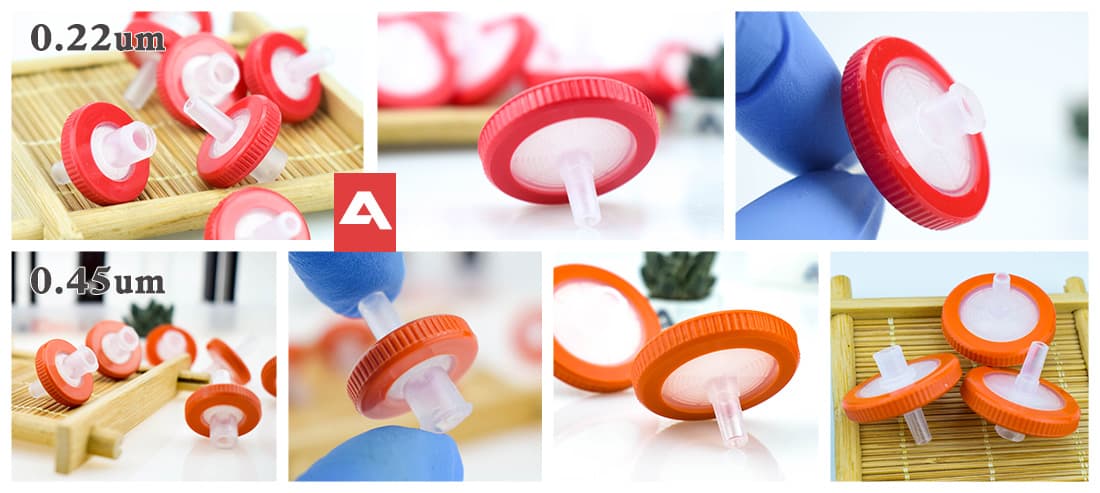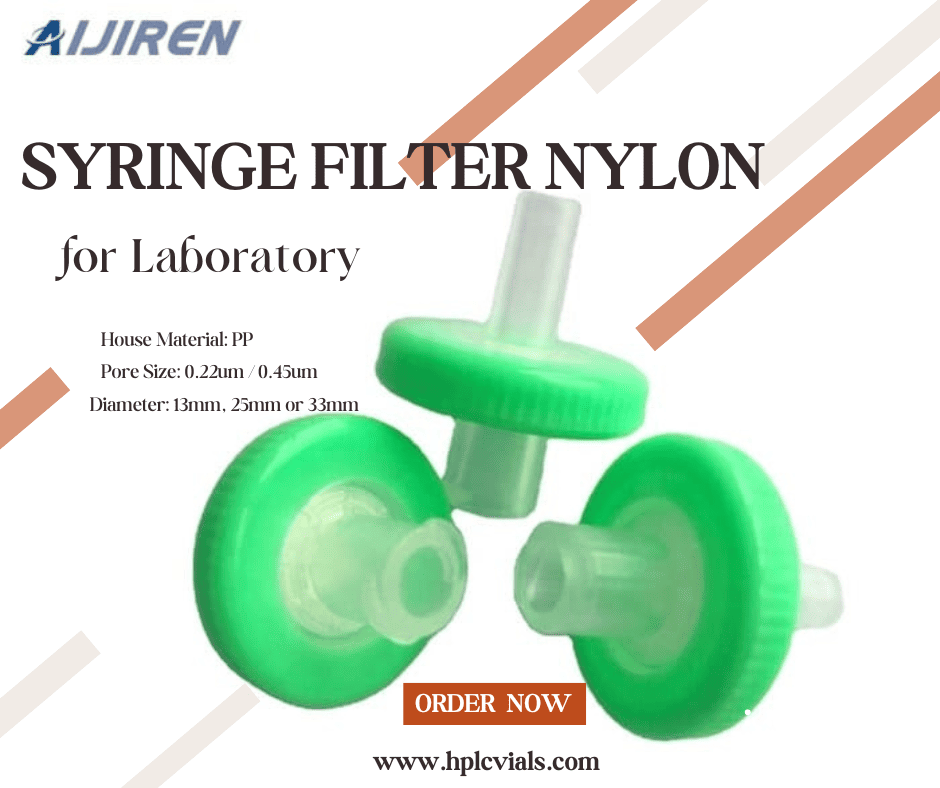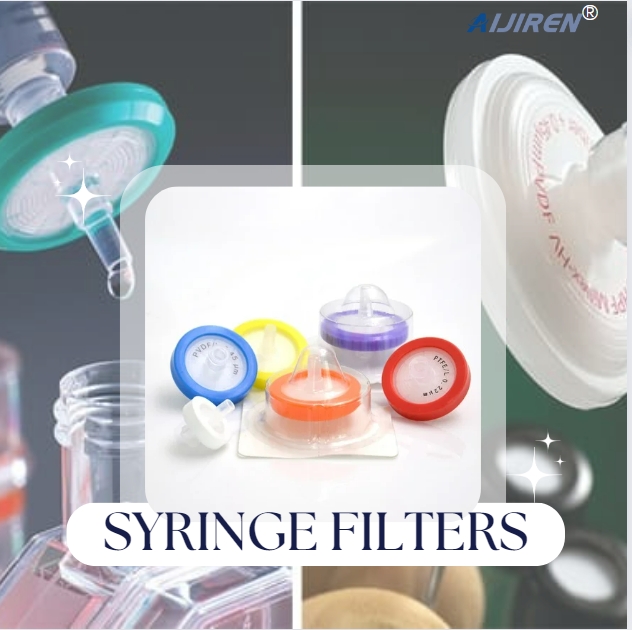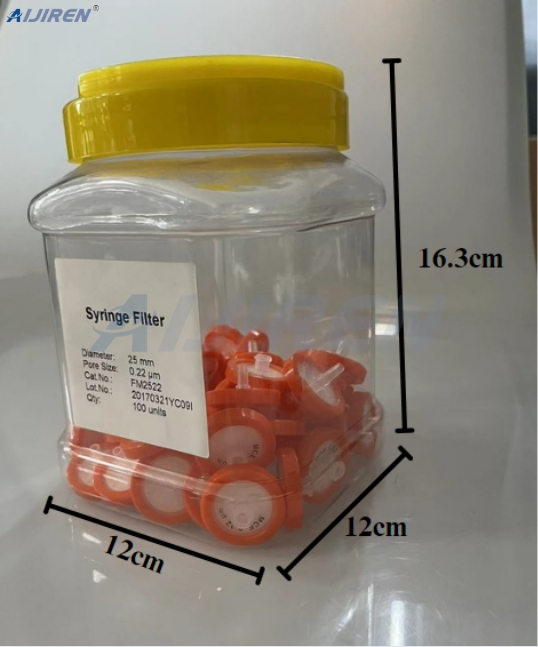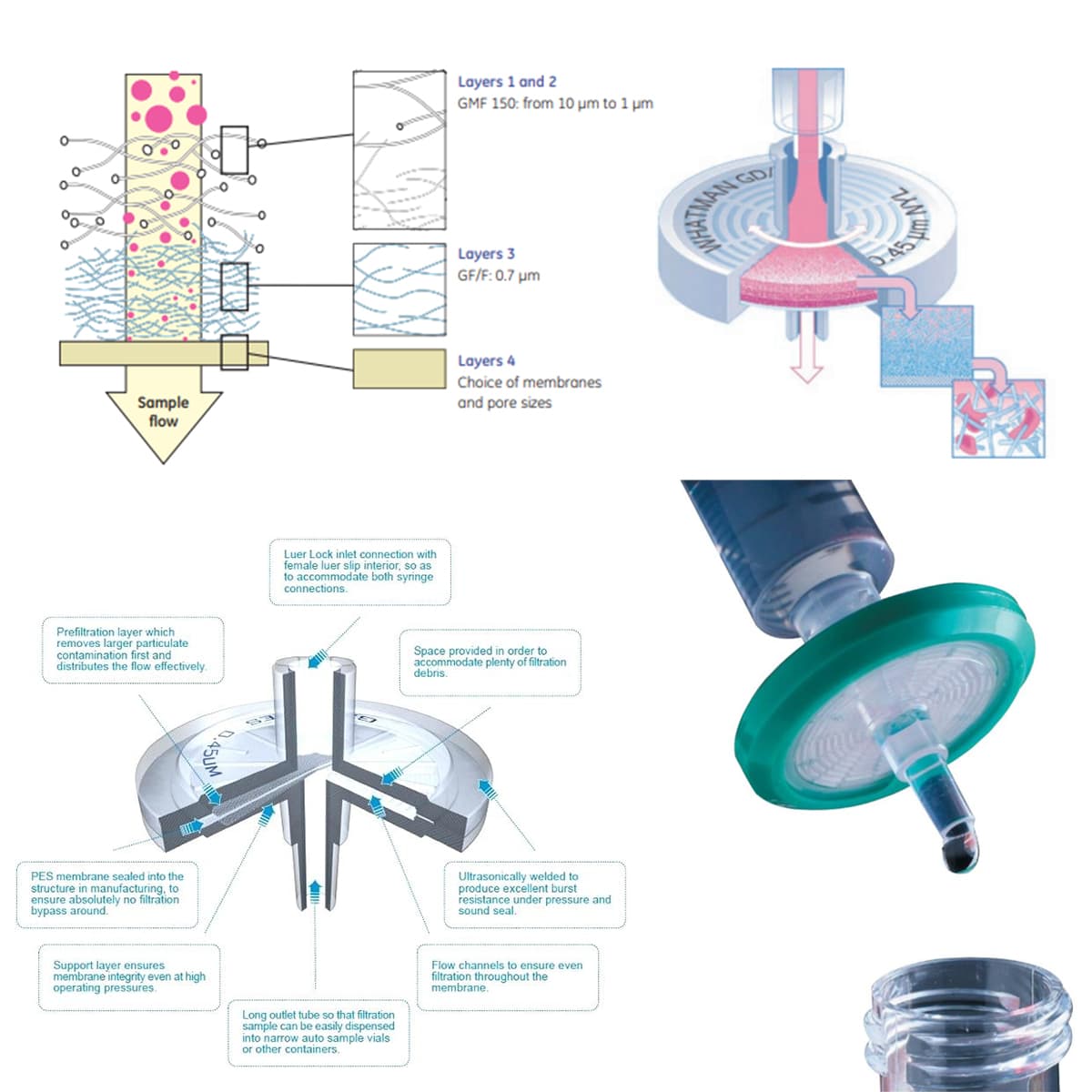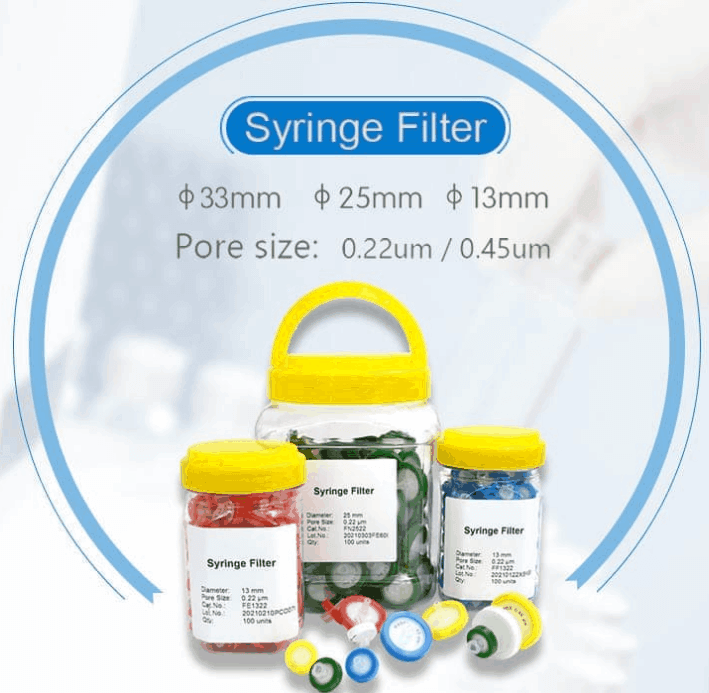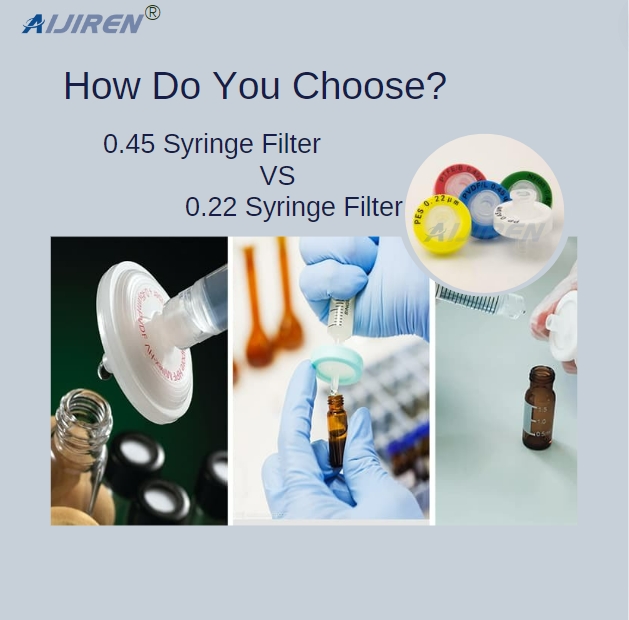
0.45 µm Syringe Filter vs. 0.22 µm Syringe Filter
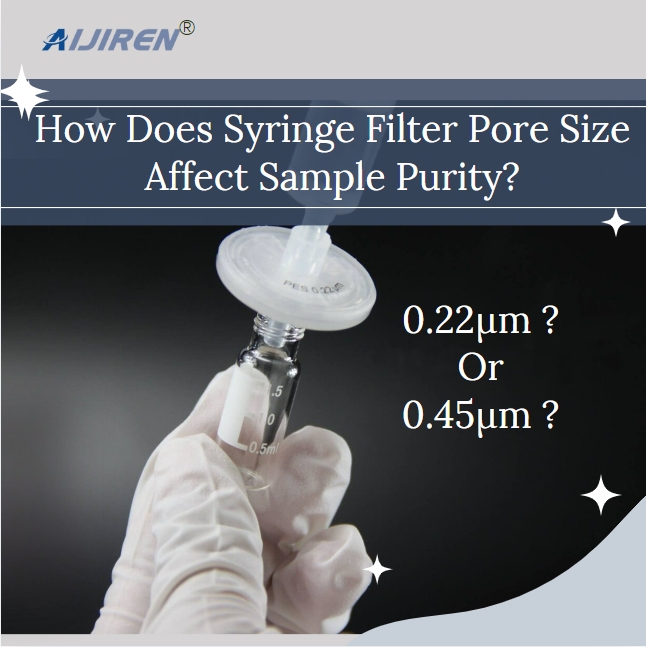
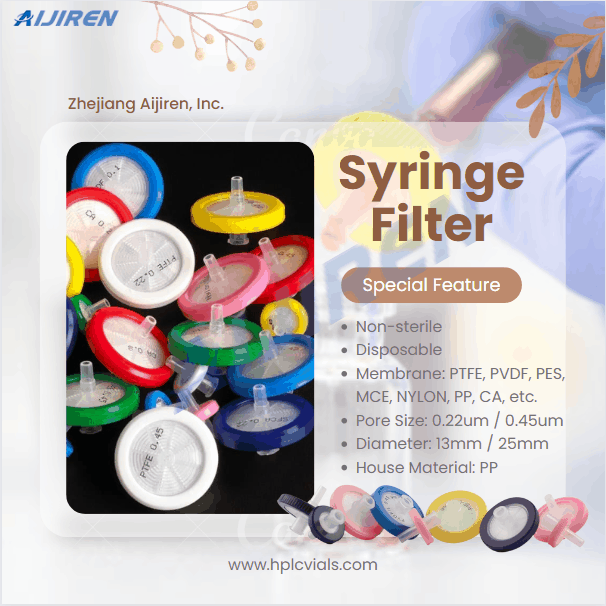
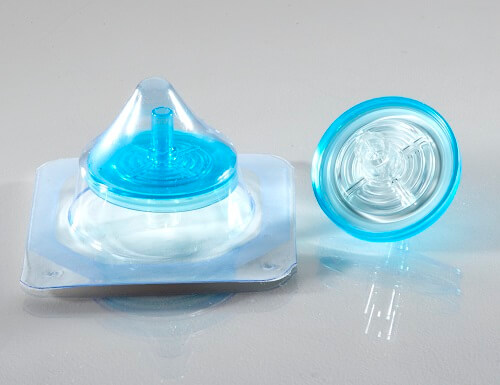
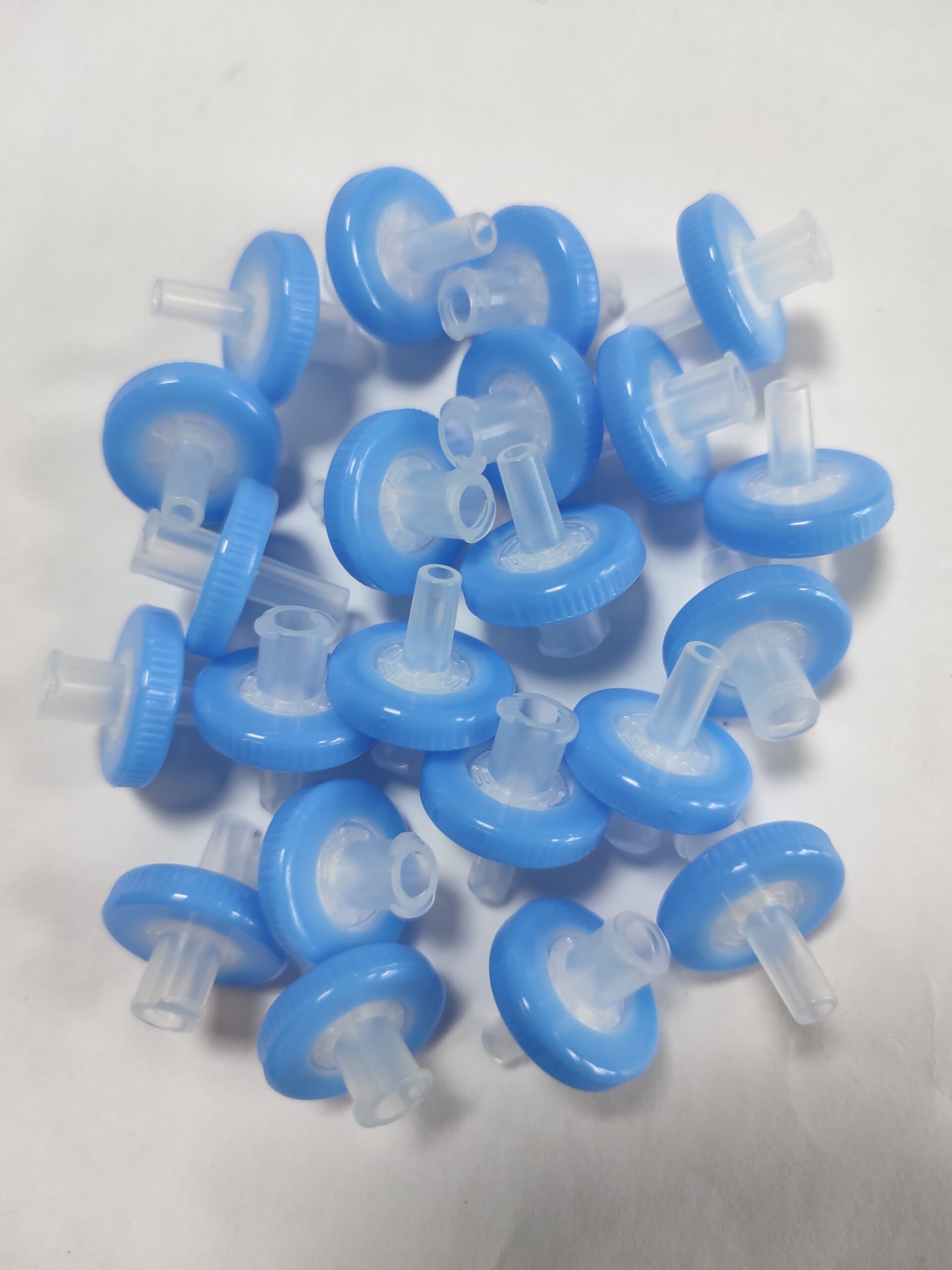
When it comes to sample preparation in analytical chemistry, selecting the right syringe filter is crucial for achieving accurate and reliable results. Two common options are 0.45 µm and 0.22 µm syringe filters, each serving specific purposes. Let’s explore the differences and help you make an informed choice.
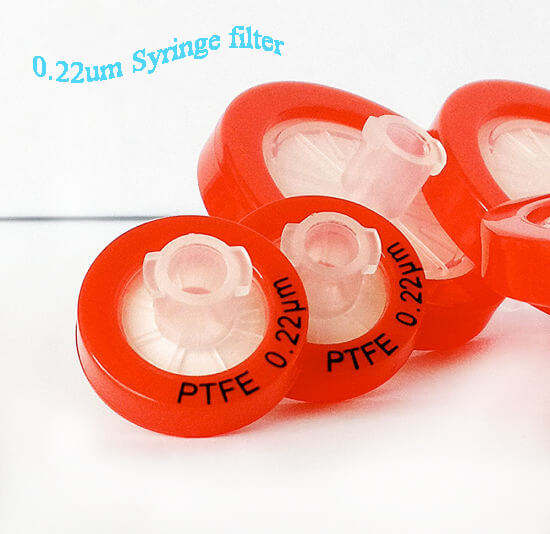
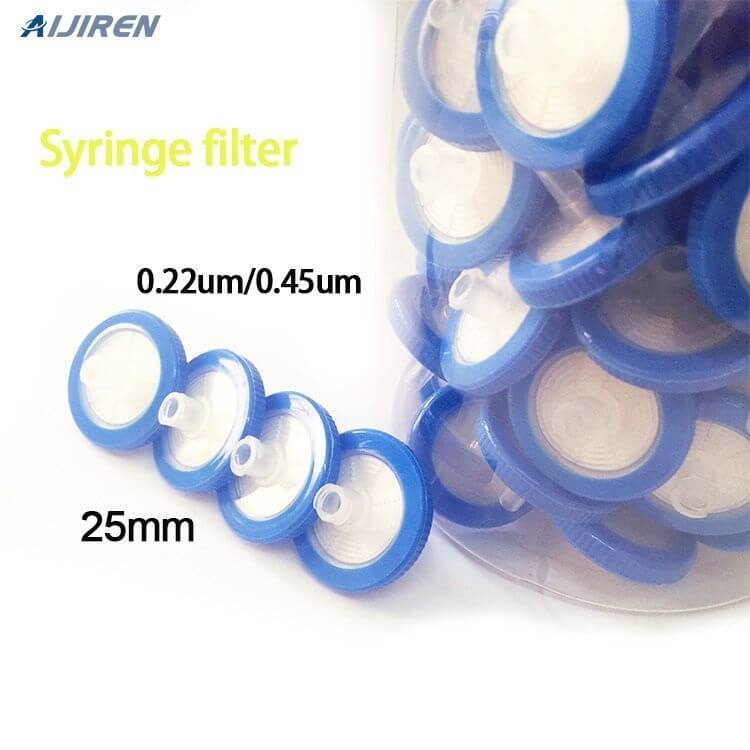
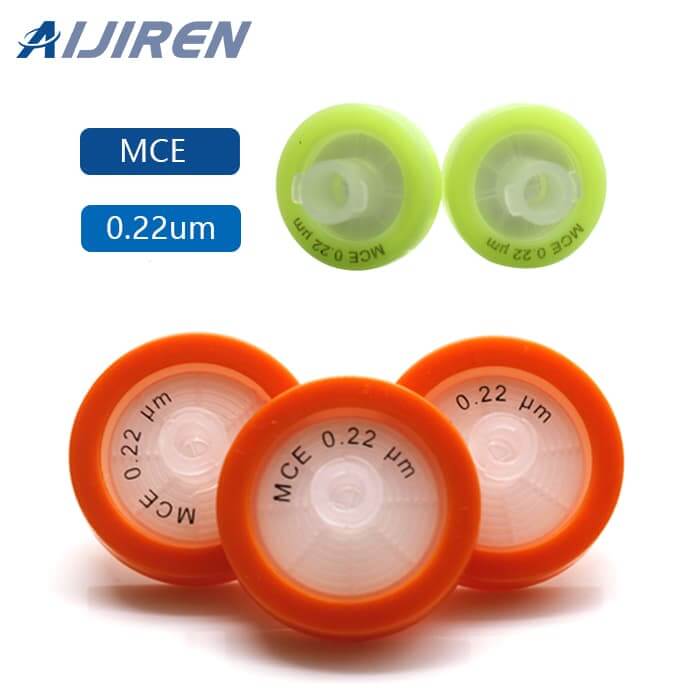
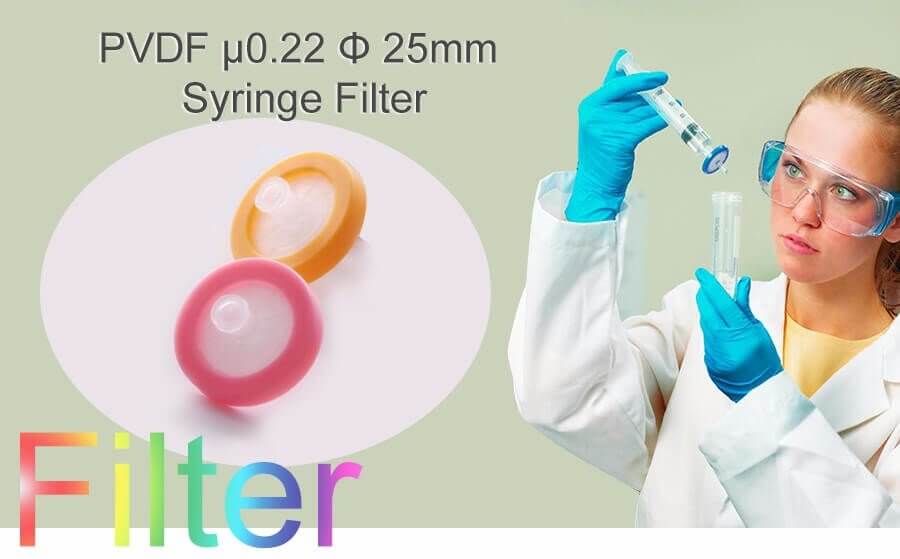
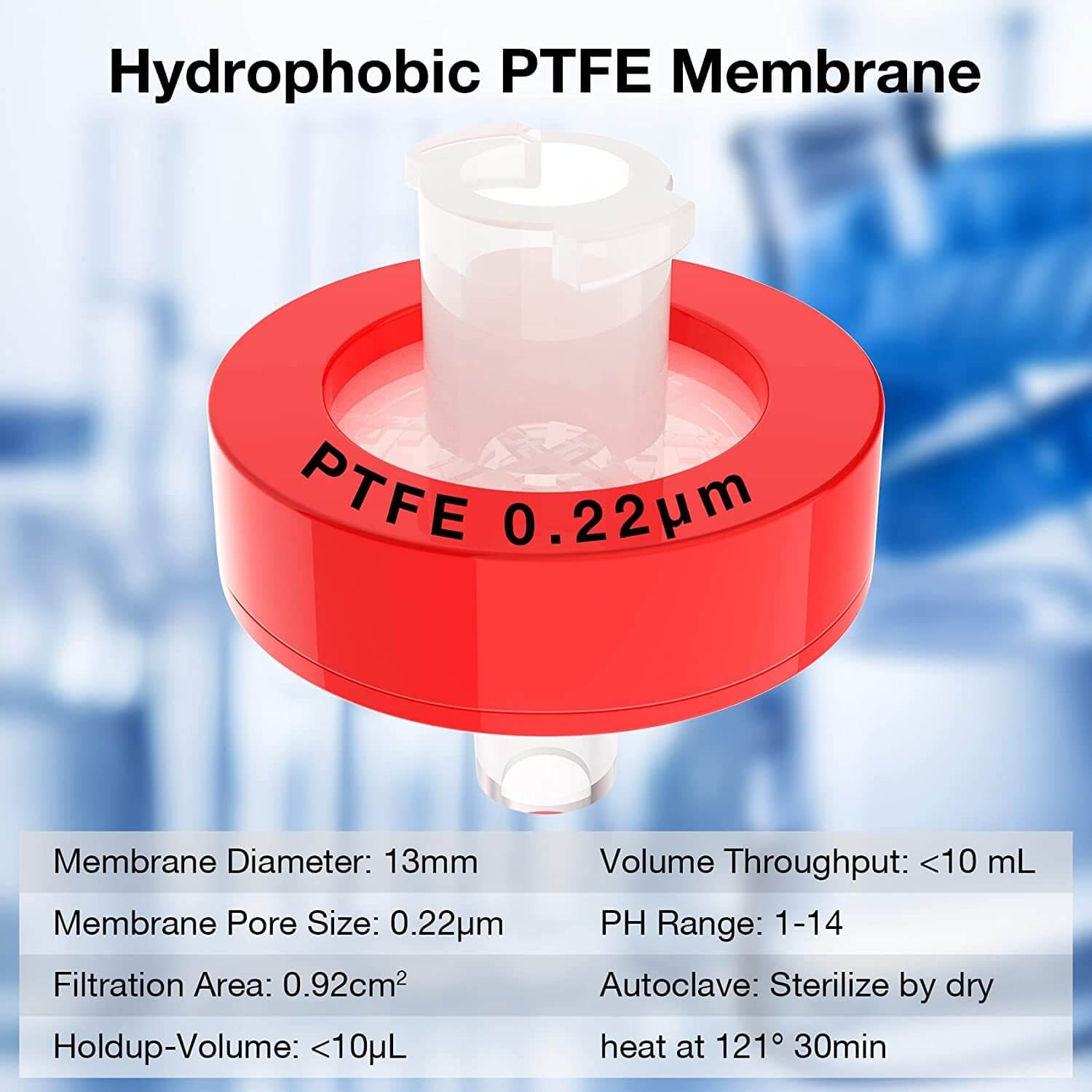
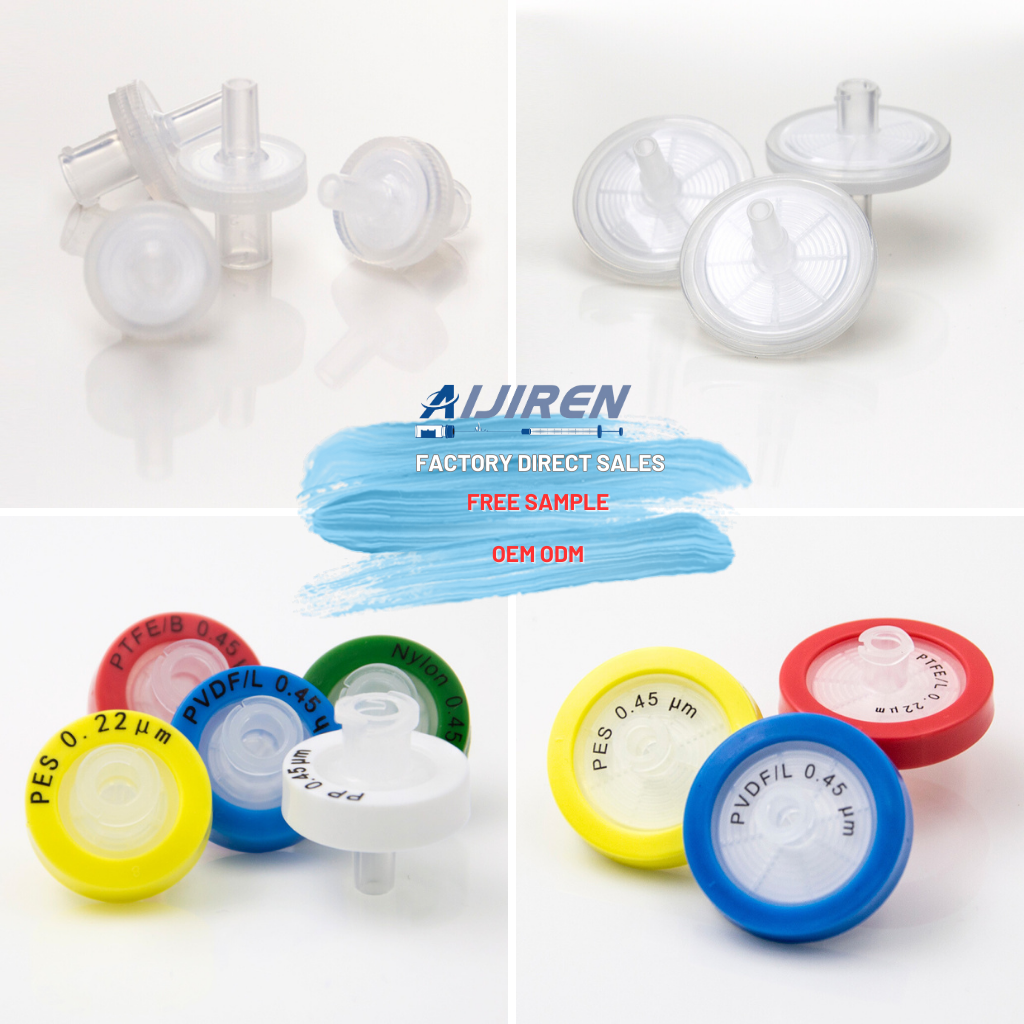
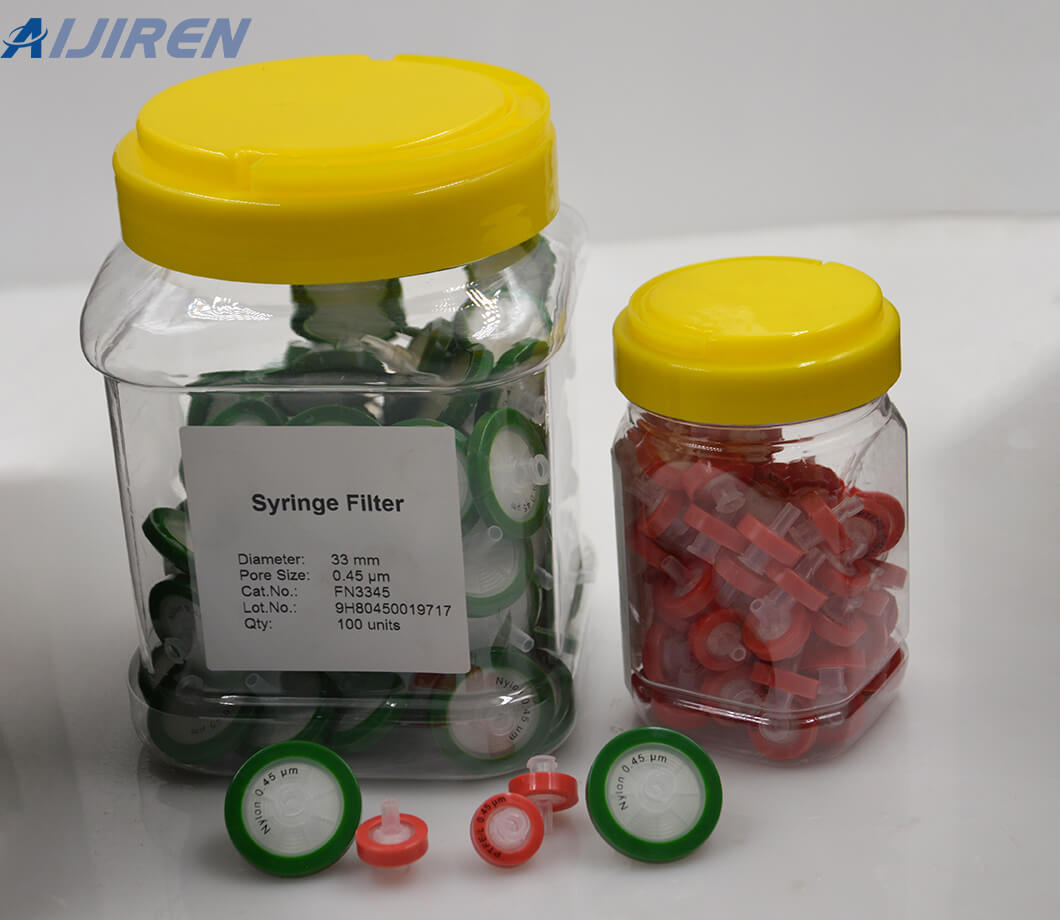
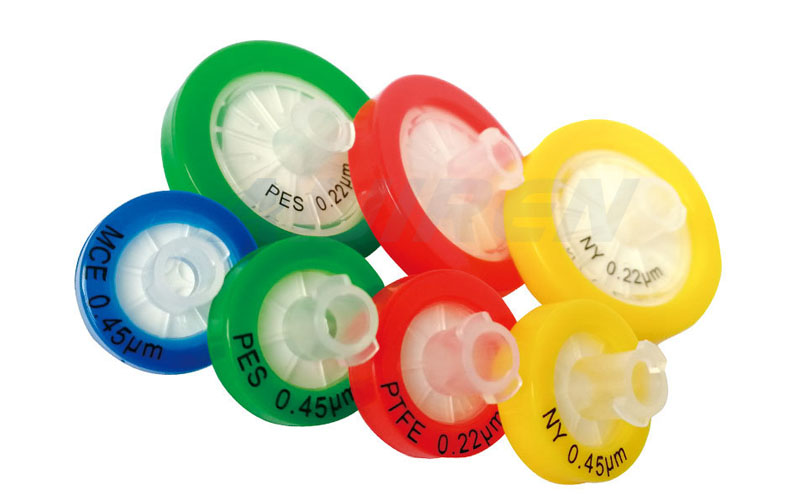
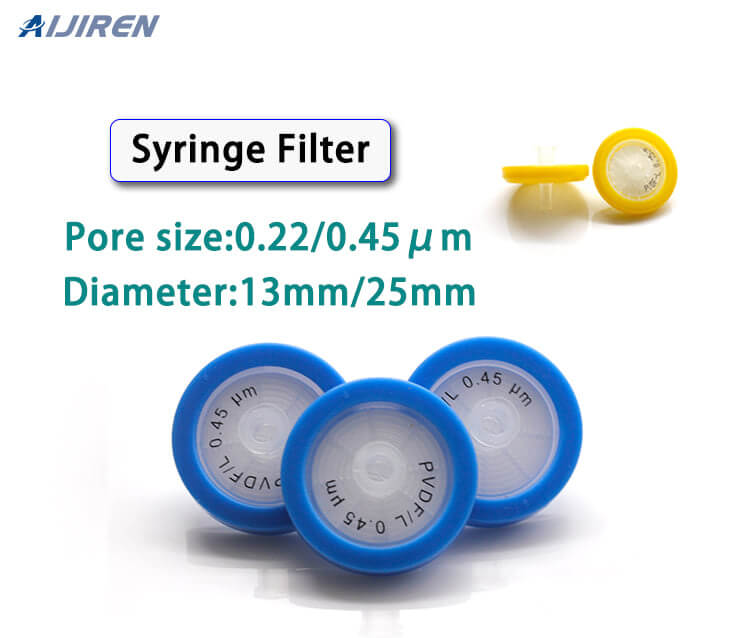
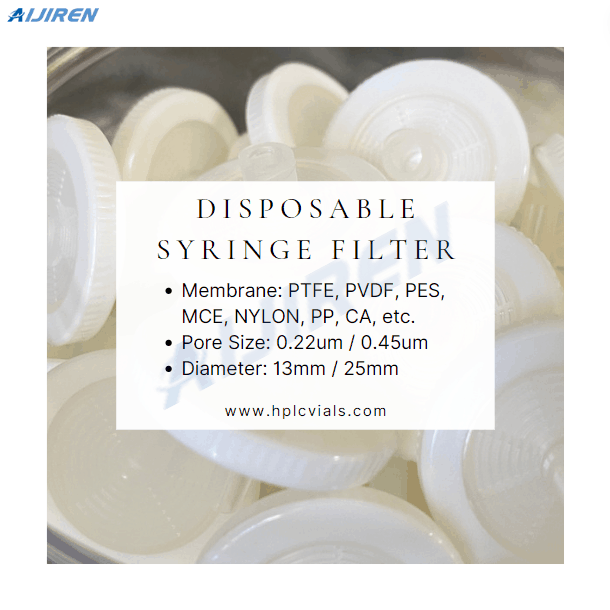
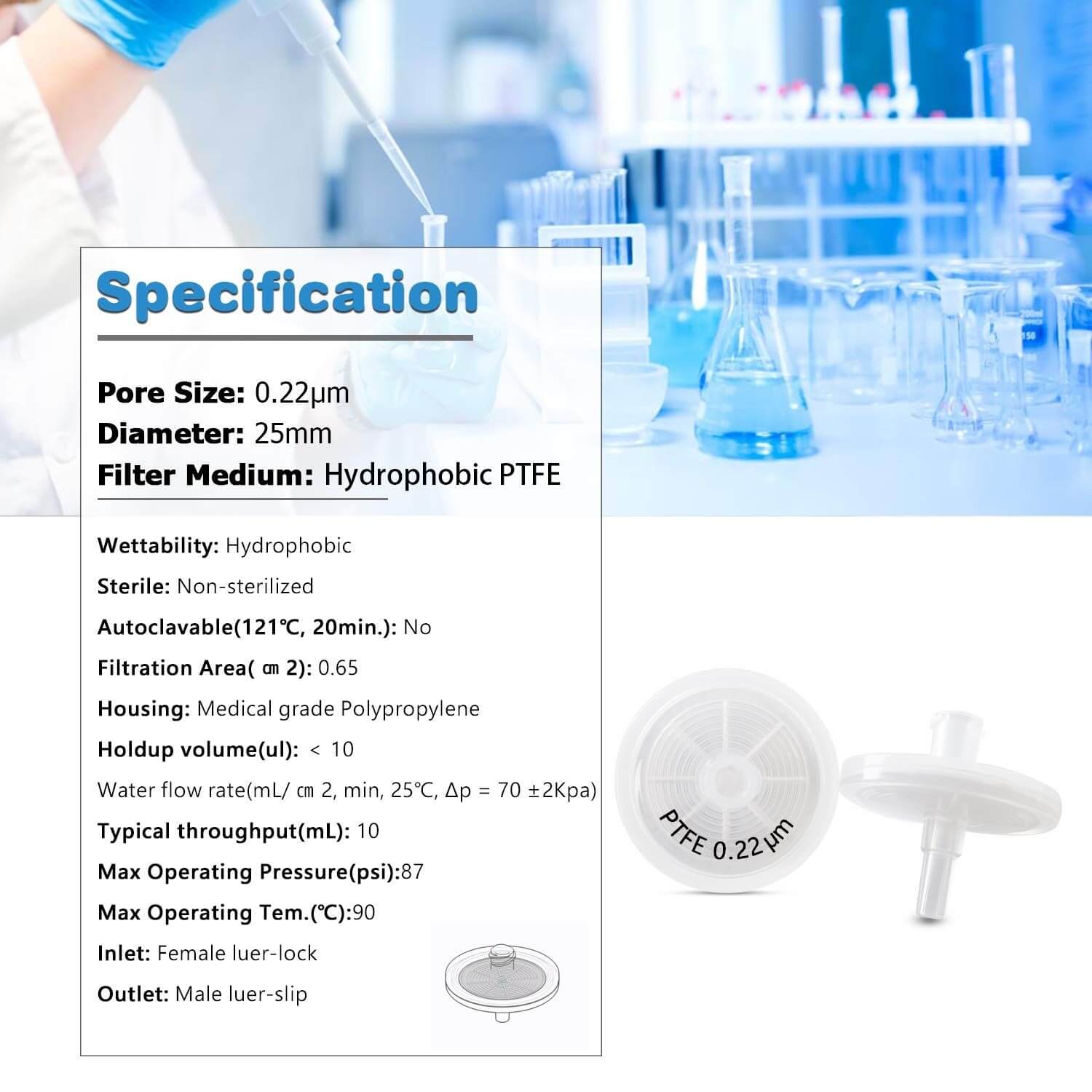
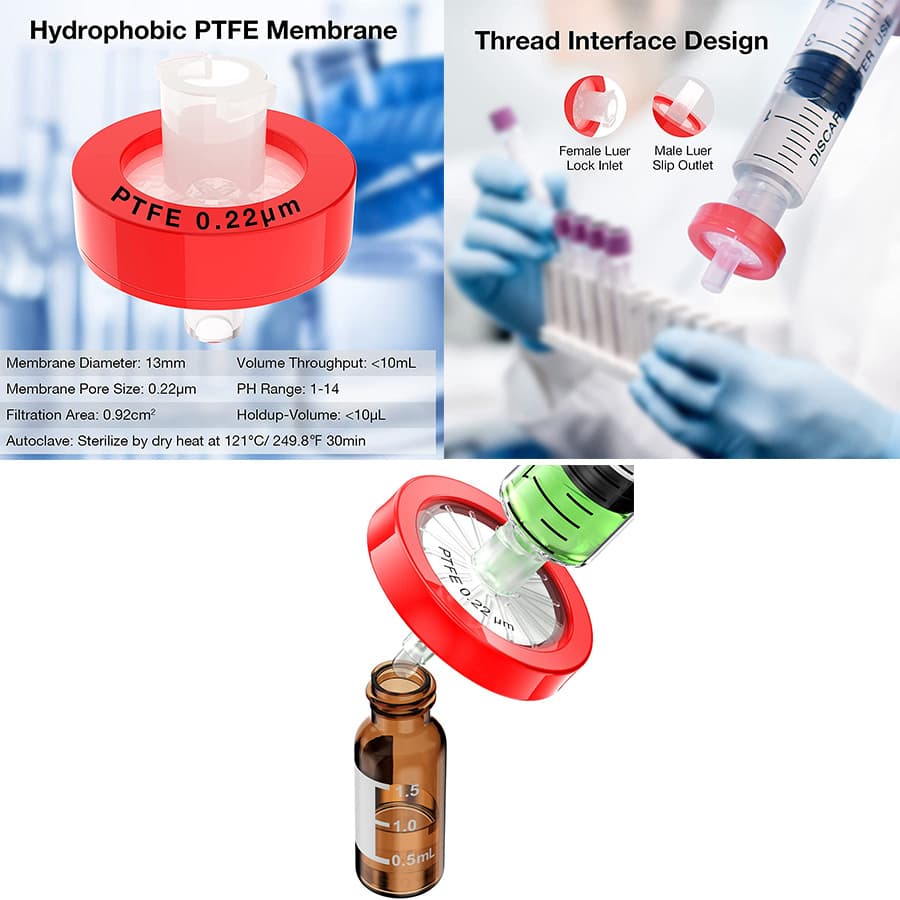
The primary distinction between the two filters is their pore size. A 0.45 µm filter is designed to remove larger particulates, while a 0.22 µm filter captures smaller particles, including bacteria and some larger viruses.
Key Differences Between 0.45 µm and 0.22 µm Syringe Filters
| Feature | 0.45µm Syringe Filter | 0.22µm Syringe Filter |
| Pore Size | 0.45µm | 0.22µm |
| Primary Use | General filtration, particle removal | Sterilization, removal of bacteria |
| Typical Applications | Pre-filtration, mobile phase filtration | Microbiology, pharmaceuticals, biotechnology |
| Contaminant Removal | Removes particles > 0.45µm | Removes bacteria and particles > 0.22µm |
Application Suitability:
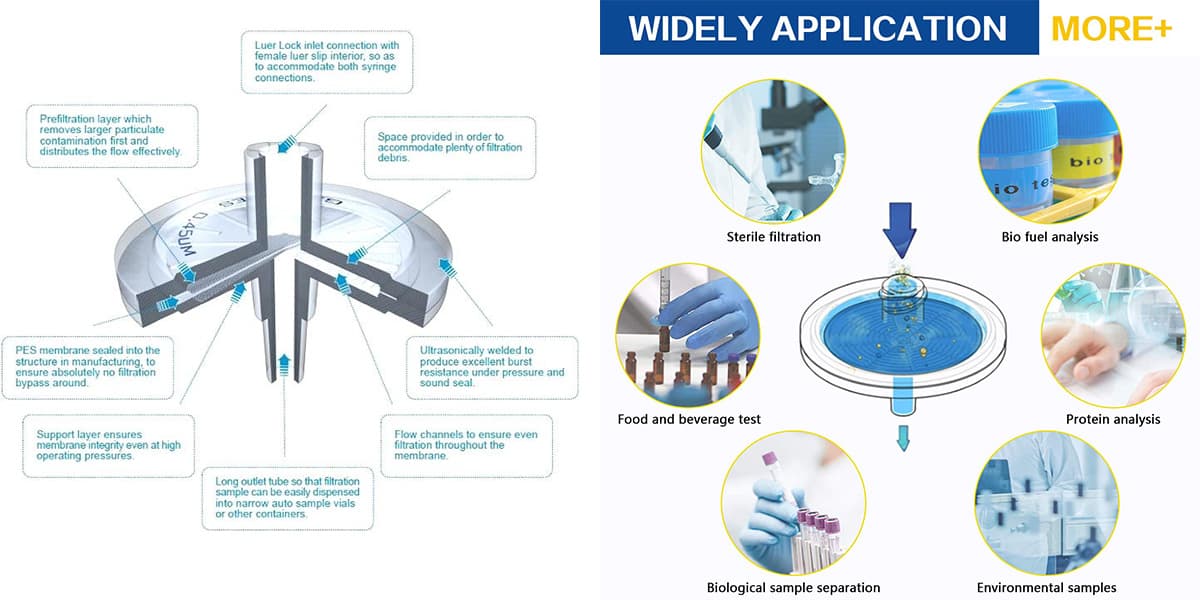
0.45 µm Filters: Ideal for filtering samples that contain larger particulates, such as cell debris, precipitates, and other solid impurities. They are commonly used in HPLC and other analytical methods where sample clarity is important but where sterility is not a primary concern.
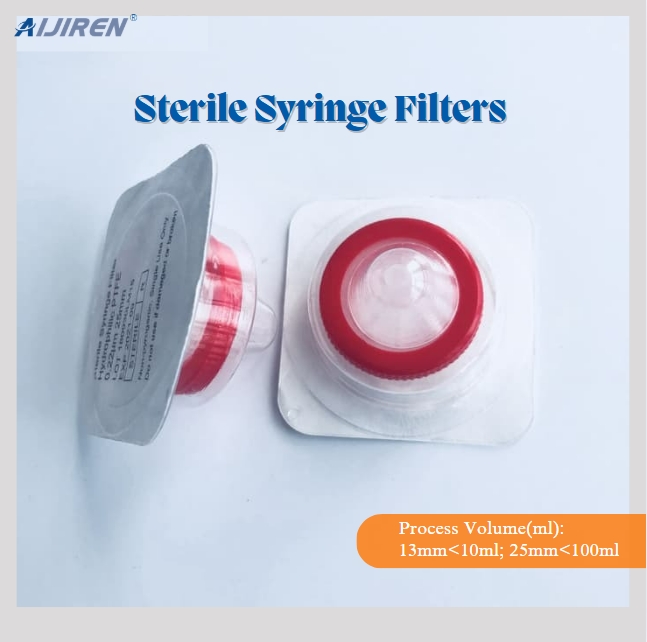
0.22 µm Filters: Essential for applications requiring sterility, such as preparing biological samples, pharmaceuticals, or any solution where microbial contamination could affect results. These filters ensure that your sample is free from viable microorganisms.